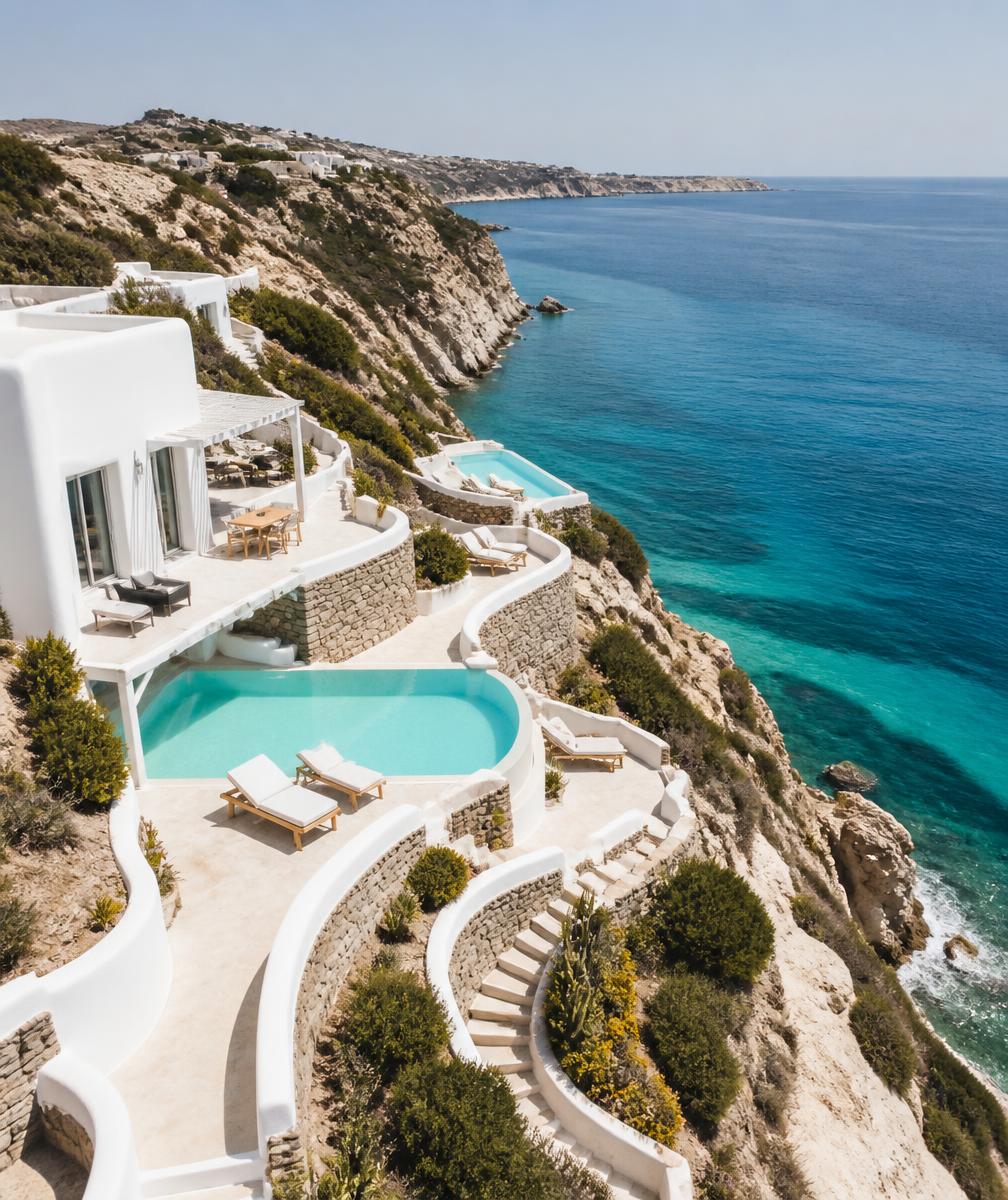
Albania is attracting more attention from international property investors, but the strongest decisions are built on disciplined analysis rather than momentum. This guide focuses on one practical part of the investment process and the questions NordAlp believes should be answered before capital is committed.
Key takeaways
—Tourism growth is a tailwind, not a rental guarantee.
—Model occupancy and rates month by month.
—Shoulder-season demand can materially improve returns.
—Professional management increasingly differentiates similar units.
Tourism remains a powerful demand driver
Albanian tourism has continued to expand beyond the initial post-pandemic rebound. INSTAT reported that visitors staying in accommodation establishments increased 19.7% year on year in April 2026, with non-resident visitors up 22.6%. Tourism is therefore an important structural input for coastal property and for city locations used by leisure and business travellers.
The mistake is to convert a national visitor-growth statistic directly into a rental-growth assumption. Tourists do not distribute evenly across Albania, and new accommodation supply can increase just as quickly as demand.
Visitor growth must be translated into unit economics
A rental property earns money through occupied nights multiplied by net achievable rate. Investors should build those assumptions monthly and deduct platform commissions, cleaning, utilities, management, maintenance, linen, guest support and taxes. A market with rising arrivals can still produce disappointing owner returns if operating costs are high or the property is poorly positioned.
Comparable booking calendars are more useful than advertised nightly rates. The investor should ask what similar units actually achieve by month and how far in advance they book.
The shoulder season is strategically important
World Bank-backed urban and tourism investments in southern Albania have explicitly aimed to improve public spaces, infrastructure and the visitor experience, including in Saranda. A stronger shoulder season can materially improve property economics because fixed costs are spread across more revenue-generating months.
For underwriting, however, shoulder-season growth should be earned through evidence. A prudent
model does not assume a twelve-month summer. It asks which traveller segments can realistically use the property outside peak months and what pricing is required to attract them.
Operational quality becomes a competitive advantage
As more professional inventory enters the market, guest experience matters more. Fast communication, accurate listings, dependable cleaning, maintenance and review management can influence ranking on booking platforms and repeat demand. The operating partner therefore becomes part of the investment thesis.
NordAlp treats tourism demand as a revenue opportunity that needs to be converted through
professional management. Destination growth is useful, but the asset still needs a clear product-market fit.
Sources & further reading
- INSTAT - Accommodation Establishments, April 2026
- INSTAT - Tourism Statistics
- World Bank - Heritage tourism and urban investment in Southern Albania
Written for general information, not as advice. Figures and rules change; every live mandate is verified against current law and current comparables.