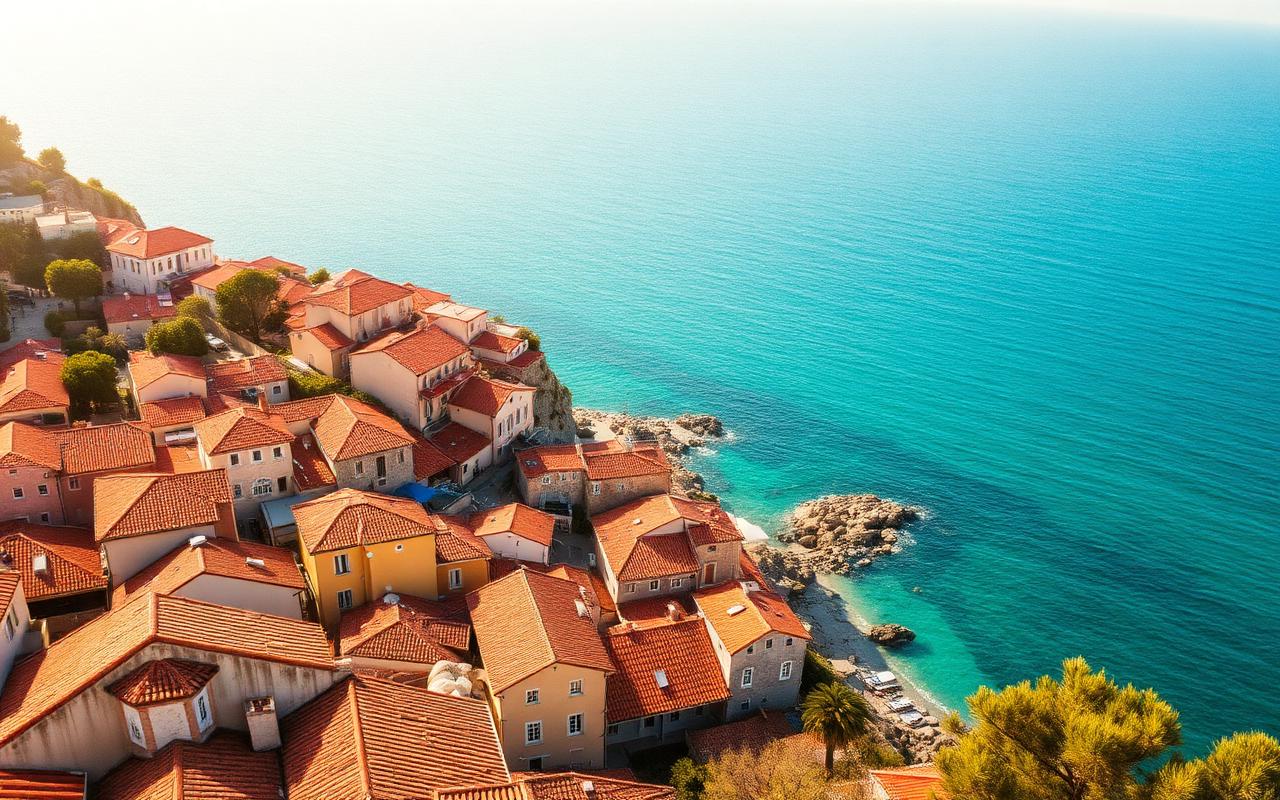
Albania is attracting more attention from international property investors, but the strongest decisions are built on disciplined analysis rather than momentum. This guide focuses on one practical part of the investment process and the questions NordAlp believes should be answered before capital is committed.
Key takeaways
—EU integration may support institutions, infrastructure and cross-border activity.
—The impact on property is indirect and location dependent.
—Higher standards can create capex and compliance costs as well as upside.
—Do not build a property model that only works if accession accelerates.
A deeper integration story is underway
Albania has moved materially forward in its EU accession process. By the end of 2025 negotiations had been opened across all 33 chapters, and in July 2026 Albania provisionally closed chapters covering science and research, education and culture, and external relations. For investors, accession is relevant because it can accelerate legal alignment, institutional reform, infrastructure investment and cross-border economic integration.
None of those developments creates an automatic re-rating of every apartment or development. The value of EU convergence is indirect: it may improve the environment in which businesses, households, lenders and foreign investors make long-term decisions.
Property investors should focus on transmission mechanisms
The useful question is not whether EU accession is good for Albania in the abstract. It is how reforms might transmit into specific property markets. Better infrastructure can improve accessibility. Stronger institutions can reduce transaction friction. Payment integration can make cross-border ownership easier. Higher business activity can support urban rental demand.
Those effects can take years and may differ significantly by region. A coastal property may be more sensitive to tourism and transport links, while a Tirana apartment may benefit more from formal employment, professional services and institutional demand.
Reform can raise standards as well as values
European alignment can also increase compliance costs. Building standards, energy performance, taxation, reporting and consumer protection may become more demanding over time. Investors should therefore avoid assuming convergence only improves exit multiples. It can also require capex and more professional operating practices.
That is especially relevant for older buildings and informal operating models. A property that is cheap today because it avoids formal standards may become less competitive as the market institutionalises.
Underwrite accession as an upside scenario, not a base-case
guarantee A disciplined investment model can recognise potential convergence without relying on it. Base-case returns should be supported by current rents, current demand and current legal rights. Faster EU integration can then be treated as an additional source of confidence or optionality rather than the only reason to buy.
NordAlp uses the accession process as a strategic backdrop while keeping the investment case
grounded in property-level evidence. That makes the thesis more resilient if reform moves slower, faster or differently than expected.
Sources & further reading
- European Commission - Albania enlargement profile
- European Commission - Albania Report 2025
- World Bank - Albania country overview
- Bank of Albania - Launch of the first SEPA transaction in Albania
Written for general information, not as advice. Figures and rules change; every live mandate is verified against current law and current comparables.